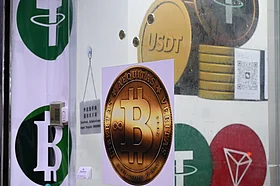
UAE Investors Embrace Cryptocurrencies as Banks Follow Suit
In the United Arab Emirates, cryptocurrency trading is quickly becoming a standard offering for investors. RAKBank has recently announced that its mobile application will soon enable retail clients to trade in digital currencies. This move signals a broader trend, with several other UAE banks preparing to introduce similar services in the near future.
The rationale behind this shift is straightforward. The number of UAE-based investors interested in cryptocurrencies such as Bitcoin and stablecoins is growing daily. As a result, banks are keen to stay ahead of the curve and avoid losing customers to external trading platforms.
One significant aspect of this development is that all transactions will be conducted in dirhams. This makes it more accessible for local investors who may not have direct access to foreign currencies.
A New Era for Blockchain Payments
In addition to RAKBank's announcement, the UAE is also set to launch a regulated Dirham-backed stablecoin. This initiative aims to enhance blockchain payments and provide a more secure and efficient way for individuals and businesses to conduct transactions.
A senior banking industry source explained, "Most banking apps already allow trades in stocks and (fractional) investments in physical or digital gold. Offering these retail customers the chance to invest in crypto is the logical step."
Banks are keen to ensure that their clients do not need to switch between different applications for their investment needs. By integrating cryptocurrency trading into their existing platforms, they can maintain customer loyalty and offer a more comprehensive financial service.
The Impact of the US 'Genius Act'
Another major development in the world of cryptocurrency is the passage of the US’s ‘Genius Act’, which regulates stablecoins. According to the US Government, the Act ensures stability and trust in stablecoins through strong reserve requirements.
The Genius Act mandates 100% reserve backing with liquid assets like US dollars or short-term Treasuries. It also requires issuers to make monthly, public disclosures of the composition of their reserves.
This regulatory framework has had a ripple effect on the UAE's investor community. Customers are increasingly inquiring about the possibility of using stablecoins such as USDT and USDC as alternative methods of payment from traditional fiat currency.
Growing Interest in Digital Assets
Analysts note that investors are looking to use these stablecoins to make payments and invest in traditional asset classes, including equities, commodities, and gold. While Bitcoin remains the most popular traded asset, there is also rising demand for other digital assets, including meme stocks that are not asset-backed.
This growing interest aligns with the UAE and GCC investors' preferences, as they show a clear appetite for both stablecoins and cryptocurrencies.
Market Volatility and Risks
Despite the enthusiasm, the cryptocurrency market remains volatile. Bitcoin is currently stuck at a price level, attempting to hold above $118,000. It has remained confined within a sideways range after failing to sustain gains above $120,000 in recent days.
Samer Hasn, Senior Market Analyst at XS.com, noted that elevated valuations could leave the market more fragile. Any downturn in stocks could trigger a sharper correction in high-risk digital assets.
Broader Implications for the Market
The integration of cryptocurrencies into mainstream banking services reflects a broader shift in the financial landscape. As more banks adopt these technologies, the UAE is positioning itself as a key player in the global cryptocurrency market.
With the introduction of regulated stablecoins and increased interest in digital assets, the future of finance in the UAE looks increasingly digital and dynamic. Investors are now presented with more options than ever before, making it essential for them to stay informed and adaptable in this rapidly evolving environment.
Post a Comment for "UAE Crypto Shift: Will More Banks Follow RAKBank?"